Networking Tips For Beginners

Networking is a critical aspect of success in any industry, but it can be intimidating for beginners. However, networking doesn’t have to be difficult; it’s just about being genuine with people and making connections with other professionals who share similar interests or goals. Here are some tips for getting started with networking:

Networking is a critical aspect of a successful career.

Networking is a critical aspect of a successful career. It’s important to build relationships with people who can help you grow your business and learn more about your industry.

It’s also an excellent opportunity for you to find out more about what other people do in their jobs, which can give you valuable insight into what type of work might be right for you or even spark ideas for new projects that could benefit both parties involved.

It’s better to meet people in person than online.

It’s better to …
Why Should You Use Enterprise Private Networks?

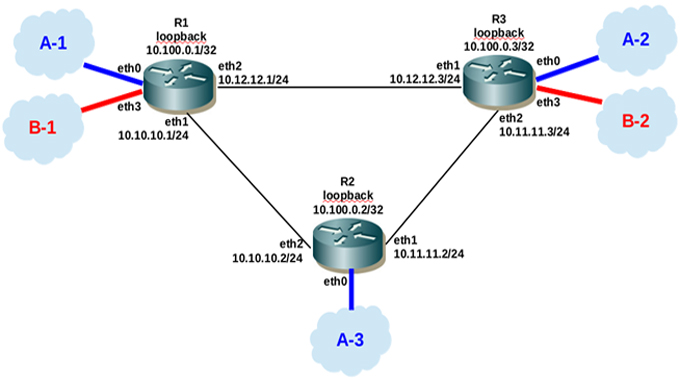
Enterprise Private Network is a portion of network basics that is responsible for some important functions and its usage is also very much widespread. Enterprise Private Network is a kind of public network and has the same functions like any other public network. However, it is protected by more advanced security processes and it is designed to carry out confidential corporate data. Enterprise Private Network is often compared to switches and in the following few lines, I am going to highlight the benefits of such a concept.

It is considered an important element of corporate infrastructure and it offers several advantages. The most important one is, the enterprise private network helps in managing, protecting, and monitoring the private data of the organization. There are several reasons behind its popularity. First of all, these private networks are specially designed to provide better security to corporate data. Second, these networks are designed …

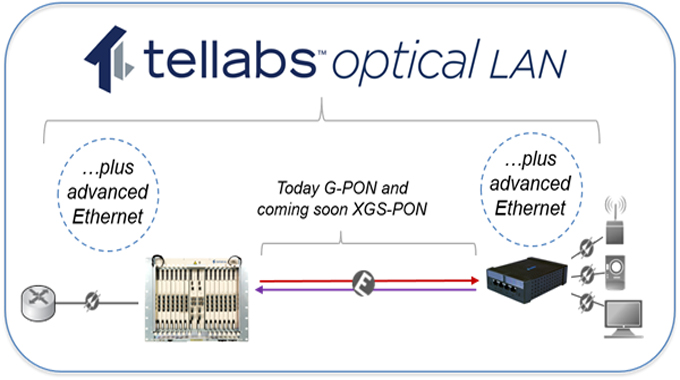
What Is a Passive Optical Local Area Network?

Topology refers to the physical property of connecting two point-to-point networks using light, typically using optical fibers. The property of topology can be studied either qualitatively or quantitatively. In qualitative studies, the network topology is described in terms of fiber types, properties, and optical paths. In quantitative studies, the network topology is measured against bandwidth and performance. Qualitative studies, on the other hand, consider the utility of the network topology as a function of the input parameters.

The major benefits of Passive Optical Local Area Network technology are: it can replace copper wires; it can provide for better cost efficiency; it can help in providing for improved stability and reliability. Further, with the use of various technologies like Soft optical networking, optical transmitters can be positioned at various points along with the network infrastructure. This enables easy accessibility of signals by end-users.

The major disadvantages of implementing a Passive Optical …

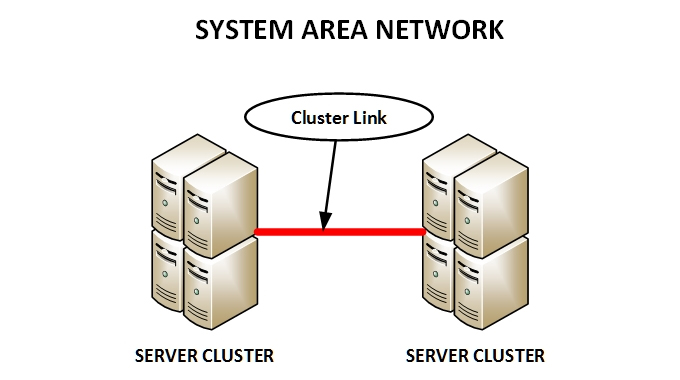
System Area Networking

System-Area Networking is a high-speed, highly efficient connectivity solution. It is a powerful innovation that enables system integration and application sharing through a local area network (LAN). It is based on the technology of hop-narrow carrier-class networking. System-Area is based on four technologies; Layer 1 packet-switching technology, layer 2 multipoint communication technology, and packet switching technology. It utilizes four different transport protocols: TCP/IP, ICMP, IPIP, and TCP/IP over HTTP. There are also some security features, which are implemented to provide the necessary protection for system resources and to ensure the integrity of the data packets.

System-Area Networks has some advantages, which makes them more popular than other forms of networking. The following factors contribute to the popularity of the system-area technology. They have a compact design and provide a fast and efficient local area network for application deployment. System-Area also has some benefits that include:

System-Area Networking was designed by …

The Ideal VPN Topology

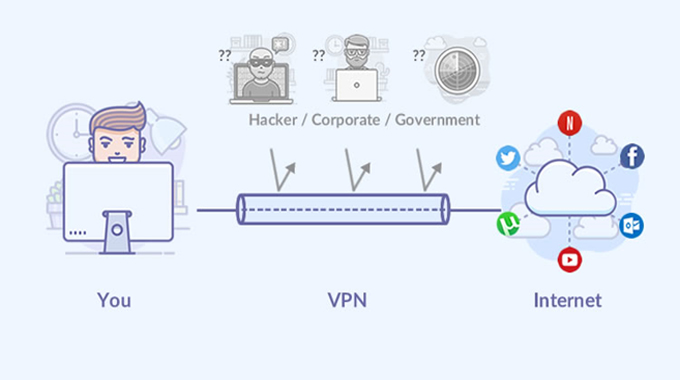
A VPN (Virtual Private Network) is a service that creates a secure, listed online connection. VPNs in essence extend a secure internal network over a public network, this should therefore enable a user to safely send and receive information across the web. The major benefit of using a VPN is the privacy it offers users; they do not reveal their IP address which can protect their information from being tracked or compromised. Another major benefit is the speed at which the network connection is established, this means that emails, VoIP calls are much faster than a normal dial-up connection. As well as these benefits, VPN also provides several other features such as enhanced security, improved stability, reduced Virtual Private Networkbandwidth usage, and improved management.

Virtual Private Network service providers often use different methods to create a Virtual Private Network. There are two types of Virtual Private Network, those that are referred to …